




abrasive flow machining
abrasive flow machining
Understanding Abrasive Flow Machining A Comprehensive Overview Abrasive Flow Machining (AFM) is an unconventional machining process that utilizes a highly viscous, abrasive-laden media to remove material from a workpiece. This innovative technique is particularly suitable for achieving intricate shapes, improving surface finishes, and deburring complex geometries, making it an essential tool in various industries including automotive, aerospace, and medical devices. The Mechanism of Abrasive Flow Machining The fundamental principle of AFM involves the flow of a polymer-based media that contains abrasive particles. The media is forced through or around the workpiece using hydraulic pressure. The abrasives, which can be materials like aluminum oxide or silicon carbide, remove material as the media flows, specifically targeting internal surfaces, crevices, or other difficult-to-reach areas. This technique is effective for polishing, deburring, and general finishing operations. AFM can be used on a range of materials including metals, plastics, and composites. The process is particularly beneficial for machined parts that have been previously subjected to high-speed machining methods, which may have left surface imperfections or burrs that need to be addressed. Key Advantages of Abrasive Flow Machining 1. Improved Surface Quality AFM is renowned for its ability to enhance surface finish. The flexible media can conform to complex geometries, ensuring that even the most intricate surfaces are polished to a high degree. 2. Material Removal Control The process can be fine-tuned to control the amount of material removed, enabling manufacturers to achieve desired tolerances and surface characteristics without excessive machining. 3. Deburring Capability One of the standout features of AFM is its effectiveness in deburring sharp edges or complex shapes that are otherwise challenging to finish using traditional methods. 4. Automation Friendly AFM can be easily integrated into automated systems, enhancing production efficiency and minimizing labor costs. abrasive flow machining 5. Environmental Benefits Compared to traditional machining processes, AFM generates less waste and often eliminates the need for hazardous chemicals used in conventional polishing methods. Applications of Abrasive Flow Machining AFM has found diverse applications across various industries. In the automotive sector, it is commonly used for finishing engine components, fuel injectors, and transmission parts. These components require precise tolerances and a smooth finish to ensure reliability and performance. In aerospace, where safety and precision are paramount, AFM plays a critical role in preparing parts such as turbine blades and fuel nozzles. The technique helps to reduce surface roughness, thereby improving aerodynamics and fuel efficiency. The medical device industry also benefits from AFM, particularly in the manufacture of instruments and implants. The process allows for the creation of surfaces that are not only smooth but also customizable to enhance biocompatibility. Challenges and Considerations Despite its advantages, abrasive flow machining is not without challenges. The initial setup costs can be higher than traditional machining processes, and the need for specialized equipment may limit its adoption in some smaller operations. Additionally, the choice of abrasive media and its formulation is critical; improper selection can lead to ineffective machining or damage to the workpiece. It’s essential for engineers to carry out extensive testing to determine the optimal flow rates, pressure levels, and abrasive particle sizes for specific applications. Fine-tuning these parameters is key to maximizing efficiency and achieving desired outcomes. Conclusion Abrasive Flow Machining stands out as a precise and effective method of finishing complex parts across various industries. With its ability to achieve superior surface finishes, control material removal, and deburr intricately shaped components, AFM is an invaluable tool in modern manufacturing. As technology continues to advance, the techniques and applications of AFM will likely evolve, further cementing its place in the machining landscape. The ongoing research and development in this area will ultimately lead to enhanced methods that improve efficiency, reduce costs, and maintain high-quality standards across all industries.
-
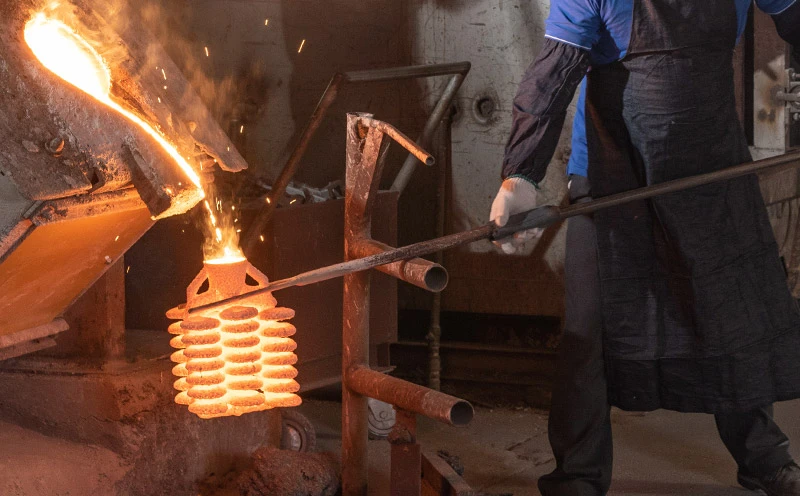 2026-06-17 02:33sand cast leadSand Casting Lead A Versatile Process for Metal Fabrication Sand casting, one of the oldest metalworking techniques, is a widely used method for manufacturing lead products and components. This process allows for the creation of intricate shapes and sizes that are not easily achievable through other manufacturing methods. With a historical legacy dating back thousands of years, sand casting remain
 -
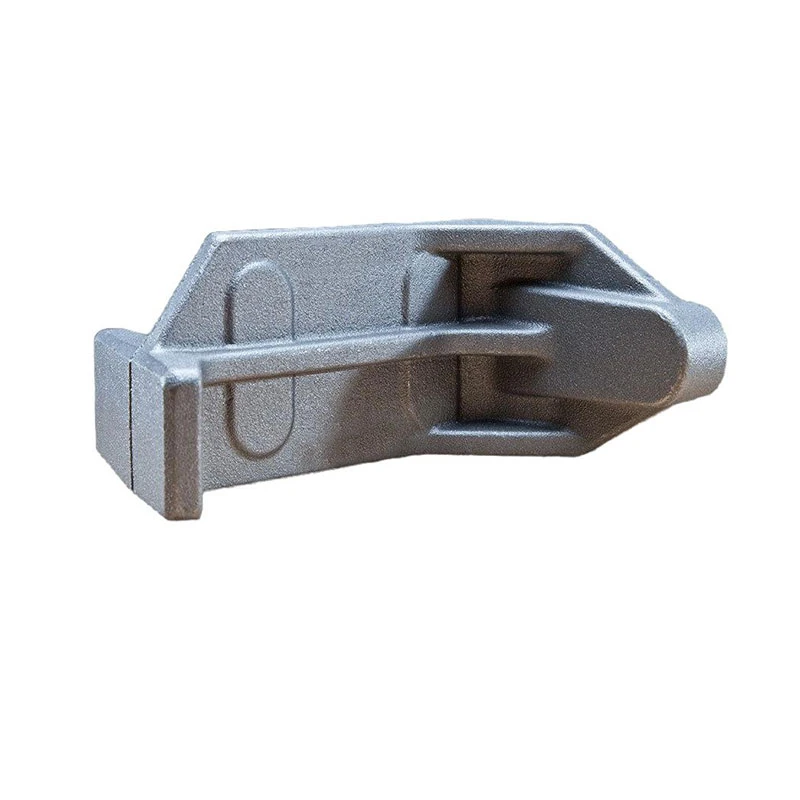 2026-06-17 02:24Various Methods of Machining and Their Applications in Modern ManufacturingTypes of Machining An Overview Machining is a fundamental process in manufacturing that involves the removal of material from a workpiece to achieve desired geometrical shapes and dimensions. It is a crucial step in the production of parts across various industries, from aerospace to automotive, electronics, and more. This article explores the different types of machining processes, highlighting t
 -
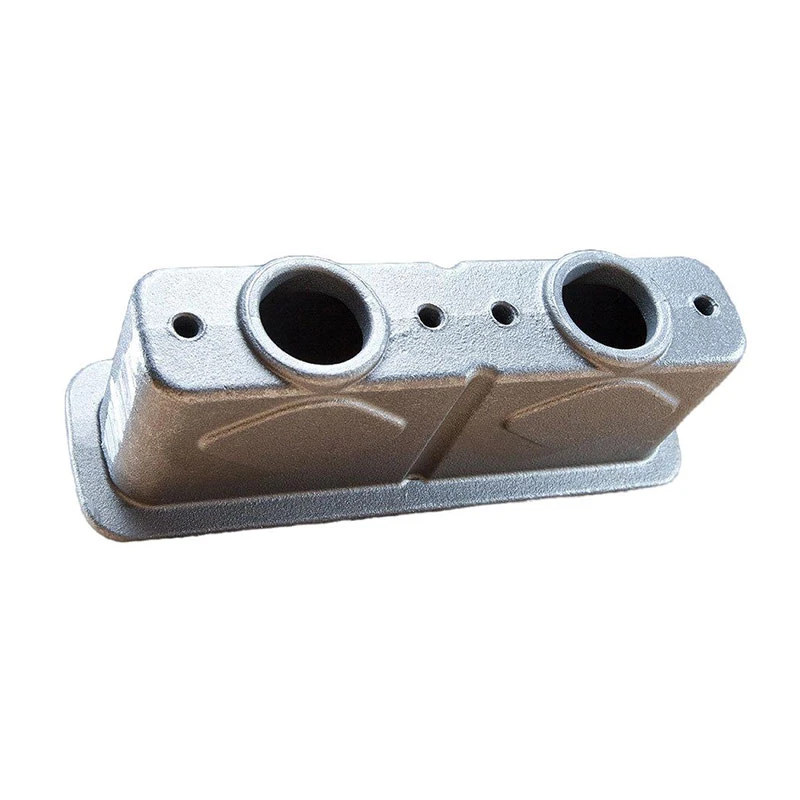 2026-06-17 01:40ผู้ผลิตอุปกรณ์ดั้งเดิมในอุตสาหกรรมยานยนต์และความสำคัญในการผลิตOEM (Original Equipment Manufacturer) ในอุตสาหกรรมยานยนต์ ในอุตสาหกรรมยานยนต์ คำว่า OEM หรือ ผู้ผลิตอุปกรณ์ดั้งเดิม ถือเป็นแนวคิดที่มีความสำคัญอย่างยิ่ง ซึ่งหมายถึง บริษัทที่ผลิตชิ้นส่วนหรืออุปกรณ์ที่ถูกใช้ในการประกอบยานยนต์ และเป็นส่วนหนึ่งของการผลิตรถยนต์รุ่นต่างๆ ของผู้ผลิตรถยนต์หลัก (OM) คำว่า OEM มักถูกใช้ในความหมายที่มีมูลค่าทางการค้า เพราะชิ้นส่วนที่ผลิตโดย OEM นั้นมักจะเป็นชิ้นส่วนที่มีคุณ
 -
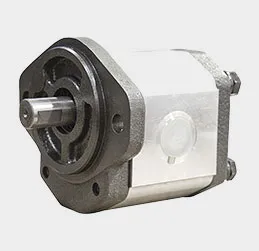 2026-06-17 01:11sand casting pdfSand Casting An Overview Sand casting, one of the oldest and most widely used metal casting processes, has played a crucial role in manufacturing for decades. This method involves creating a mold from sand to cast metal into desired shapes. Its versatility, cost-effectiveness, and ability to produce complex geometries make it a popular choice across various industries, including automotive, aerosp
 -
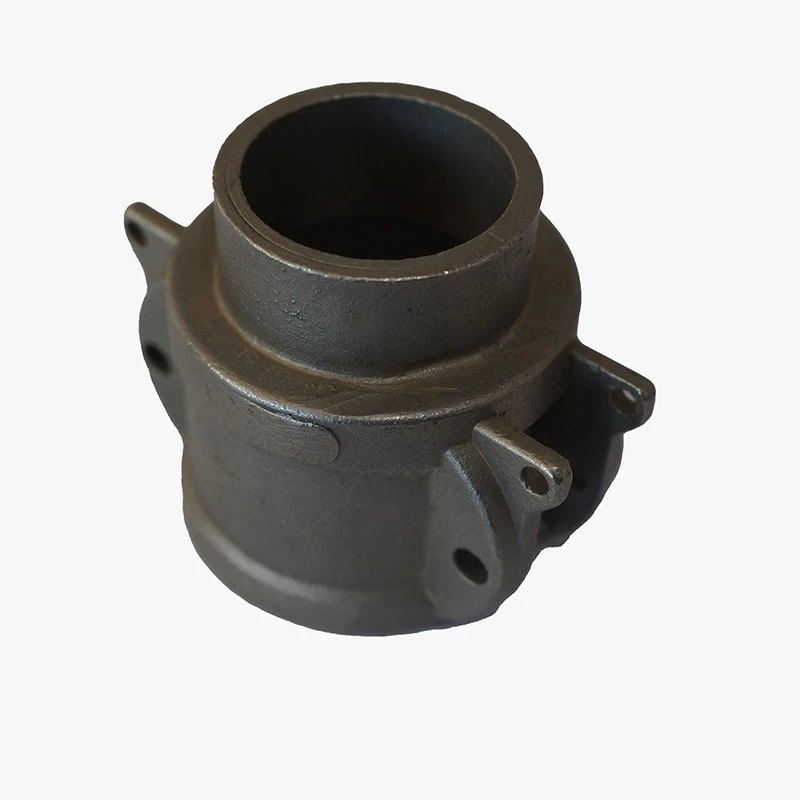 2026-06-17 00:41금속판을 프레스하다스탬핑 시트 메탈 현대 산업에서의 중요성 스탬핑 시트 메탈(stamping sheet metal)은 현대 산업에서 매우 중요한 역할을 하고 있는 소재 중 하나입니다 . 이 과정은 금속 시트를 디자인된 형태로 절단하고 가공하는 방법으로, 자동차, 전자기기, 가전제품 등 다양한 분야에서 사용됩니다. 이 글에서는 스탬핑 시트 메탈의 특징, 과정 및 응용 분야에 대해 논의해 보겠습니다. 스탬핑 시트 메탈의 특징 스탬핑 시트 메탈은 일반적으로 강철, 알루미늄, 구리 등의 금으로 제작됩니다. 이 소재는 높은 강도와 경량성을 가지고 있어 다양한 산업에서 선호됩니다. 또한, 스탬핑 과정은 대량 생산에 적합하여 생산성이 뛰어난 장점이 있습니다. 이는 기업들이 비용 절감을 통해 경쟁력을 유지하는 데 기여합니다. 또한 스탬핑